Understanding the Root Canal Procedure
Root canal treatment often carries an unfair reputation, conjuring images of discomfort and lengthy procedures. However, modern endodontic techniques provided by those such as a private dentist Harrow have transformed this essential dental procedure into a straightforward and relatively comfortable experience. Understanding what actually happens during root canal treatment can help alleviate concerns and prepare patients for what is, in reality, a tooth-saving procedure that relieves pain rather than causes it.
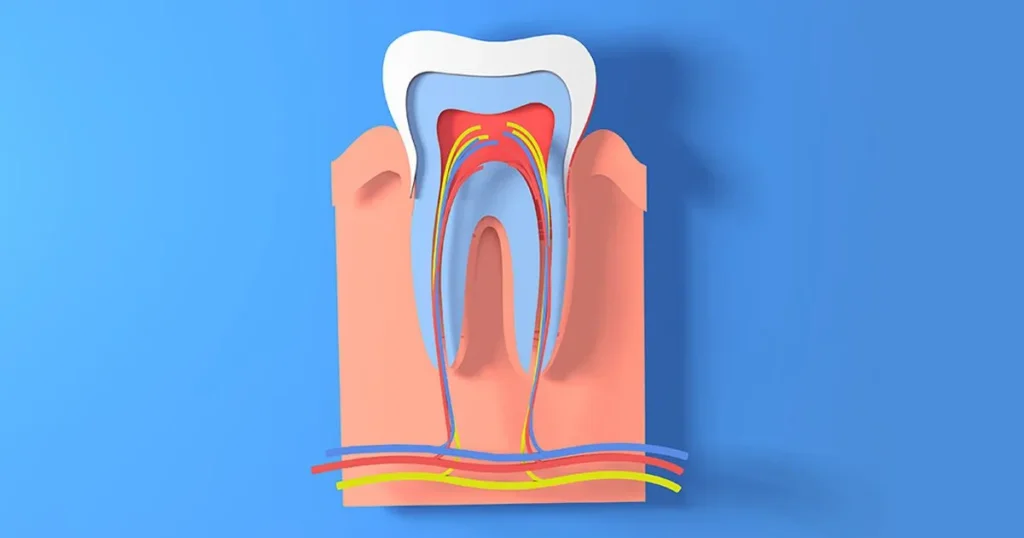
The procedure becomes necessary when the soft tissue inside a tooth, known as the pulp, becomes infected or inflamed. This can occur due to deep decay, repeated dental procedures on the same tooth, cracks, chips, or trauma. Without intervention, the infection can spread, leading to abscesses, severe pain, and ultimately tooth loss. Root canal treatment removes the infected pulp, cleans and disinfects the inner chambers, and seals the tooth to prevent future infection.
Initial Assessment and Diagnosis
The journey towards root canal treatment begins with a thorough examination by a qualified dentist. At a private dental practice, patients benefit from comprehensive diagnostic procedures that may include digital radiographs to assess the extent of infection and determine the tooth’s internal structure. This initial consultation allows the dental professional to explain the procedure in detail and address any concerns.
During this assessment phase, the dentist will evaluate symptoms such as prolonged sensitivity to hot or cold temperatures, tenderness when chewing, tooth discolouration, or swelling in nearby gums. These indicators help confirm whether root canal treatment is the appropriate course of action. The NHS provides comprehensive information about root canal procedures that outlines the various reasons this treatment might be recommended.
Preparing for the Treatment
Once root canal treatment has been deemed necessary, the preparation phase ensures patient comfort throughout the procedure. Modern private practices prioritise pain management, and contrary to popular belief, root canal treatment should be no more uncomfortable than having a standard filling placed. Local anaesthetic is administered to numb the affected tooth and surrounding area completely, ensuring the patient experiences minimal discomfort during the procedure.
For patients who experience dental anxiety, many private practices offer additional sedation options to help them remain relaxed throughout the treatment. This personalised approach to patient comfort distinguishes private dental care, where practitioners can dedicate adequate time to each individual case without the time constraints often found elsewhere.
The Root Canal Procedure Step by Step
The actual root canal treatment typically unfolds over one or two appointments, depending on the complexity of the case. Once the area is fully numbed, the dentist places a rubber dam around the affected tooth to keep it dry and isolated from saliva during the procedure. A small access opening is then created in the crown of the tooth, allowing the dentist to reach the infected pulp chamber.
Using specialised instruments, the dentist carefully removes the infected or damaged pulp tissue from the pulp chamber and root canals. The stages of root canal treatment involve precise cleaning and shaping of the canal system to ensure all bacteria and debris are eliminated. This meticulous process is crucial for the long-term success of the treatment.
Following the removal of infected tissue, the canals are thoroughly cleaned with antimicrobial solutions and shaped to receive the filling material. The dentist then fills the cleaned canals with a biocompatible material called gutta-percha, which seals the space and prevents future infection. A temporary filling is placed to close the access opening until the final restoration can be completed.
Restoration and Aftercare
After the root canal treatment is complete, the tooth requires a permanent restoration to protect it and restore full function. This typically involves placing a crown over the treated tooth, which provides strength and prevents fracture. Private dental practices often have access to advanced materials and techniques that ensure both durability and natural aesthetics in the final restoration.
Patients can expect some mild sensitivity for a few days following treatment, which can be managed with over-the-counter pain relief. For those interested in observing the procedure, educational videos demonstrating root canal techniques are available online, offering valuable insight into this common dental treatment.
Preserving Your Natural Smile
Root canal treatment represents a valuable opportunity to save a natural tooth that might otherwise require extraction. With success rates exceeding ninety percent, this procedure allows patients to maintain their natural dentition, preserve jaw bone structure, and avoid the need for more extensive tooth replacement options. When performed by experienced practitioners, root canal treatment offers a reliable, comfortable solution that can last a lifetime with proper care.